

Steve Warren has been a popular radio personality since 1963 and in New York since 1971, He is the author of the best-selling book on Radio Programming, RADIO: The Book, (Focal Press) and has been a radio professional starting at the age of 16 in Louisville, KY, (WNAS, WTMT, WLRS). Then, on to Indianapolis (WIRE, WIFE, WGEE, and WAIV), Los Angeles (KFOX), San Francisco (KNBR, KNAI), Philadelphia (WPEN, WSNI), Tampa (WDAE, WFLA), Dayton (WING), San Antonio (KKYX, KTSA) and New York (WPAT, WHN, WNBC, WKHK, WNEW, WYNY, WNCN, and CBS).
As Program Director, he managed diverse markets and formats including Indianapolis (WGEE, WAIV), Wilmington (WAMS), Albany (WPTR, WROW), Dayton (WING), and San Antonio (KKYX, KTSA) with Top 40, Oldies, Country, Talk, MOR, and Classical. Since 1987, Steve has served as President of MOR Media International, Inc. an entrepreneurial media/entertainment company, developing, hosting and distributing radio programming, station consulting, cable channel development, hospitality and special events, city tours, and theatrical productions and has advised many international broadcasters on programming issues. mormedia.biz
He's sought after as an advisor, motivator, teacher and cheerleader for compelling radio programming. His expert knowledge and love of the industry has secured his position as a radio programming authority. He travels thousands of miles, annually, speaking to state broadcasting associations, universities, and corporate clients.
Steve projects a fun, entertaining radio personality, including hosting events at Radio City Music Hall, Lincoln Center, and Carnegie Hall. He's topical, engaging, funny, and informative, speaking with authority on the contemporary media and entertainment scene. Since 1994, he's been the host/producer of the weekly "The Country Oldies Show", syndicated by the Envision Radio Network, countryoldies.com
From 1994-2000, he was an adjunct instructor at the International Academy of Broadcasting in Montreux, Switzerland. In 1998-1999 he was a prolific and compelling interviewer of radio industry leaders as Radio Editor of Radio Ink Magazine, a respected publication for radio Sales and Management.
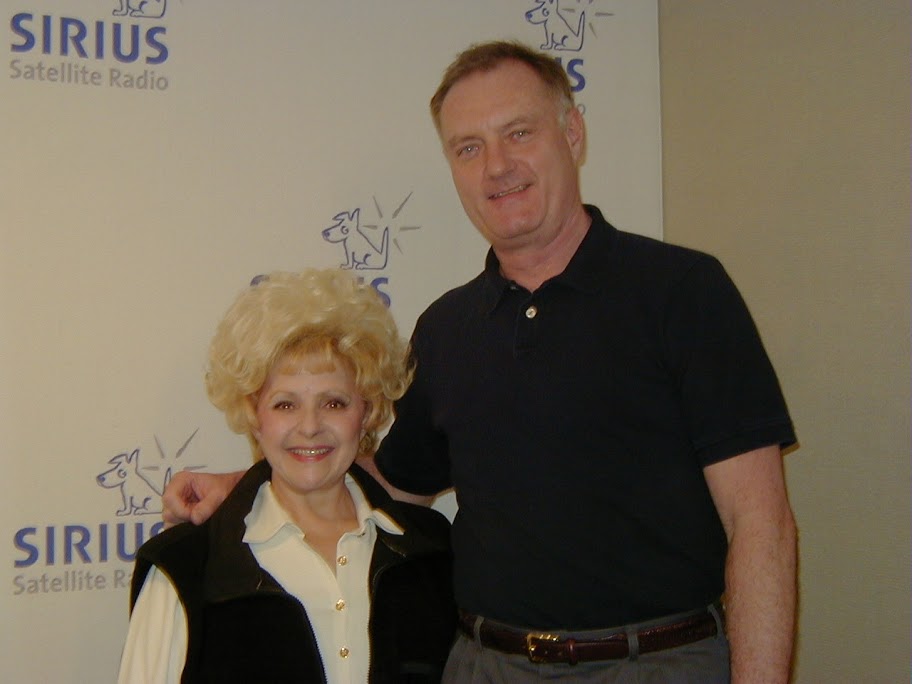
From 1999 to 2003, he designed and implemented 5 country channels for Sirius Satellite Radio and was the first voice ever broadcast on Sirius (2001), conducting over 100 artist interviews in all genres of music and entertainment. He was also host of "Living with Technology" for Martha Stewart Living on Sirius and in 2010 returned to SiriusXM as New Anchor for Howard 100 News on the Howard Stern Show.
Since 2002, Steve has presented annual sessions for the NABEF Career fair at both the NAB Radio Show and annual Las Vegas conference and exposition. Food, travel, live theatre, and a few seasonal sports keep him busy, as does living two-blocks from Times Square in New York City.

In 2005, Steve authored the Fourth Edition of "RADIO: The Book" a best-selling publication on radio programming, published by Focal Press. radiothebook.com
Since 2007 has been Executive producer of his latest project, Chinamerica Radio, a fulltime internet radio station featuring top Chinese pop-contemporary music, hosted in English. chinamericaradio.com
As an actor, he has appeared on TV in episodes of The Sopranos and Law & Order and in feature films "Michael Clayton", with George Clooney, Julie Taymor's Beatle music based fantasy, "Across the Universe", and "It's Complicated" with Alec Baldwin and Meryl Streep.
For more information contact 718-729-1962 or steve@mormedia.biz
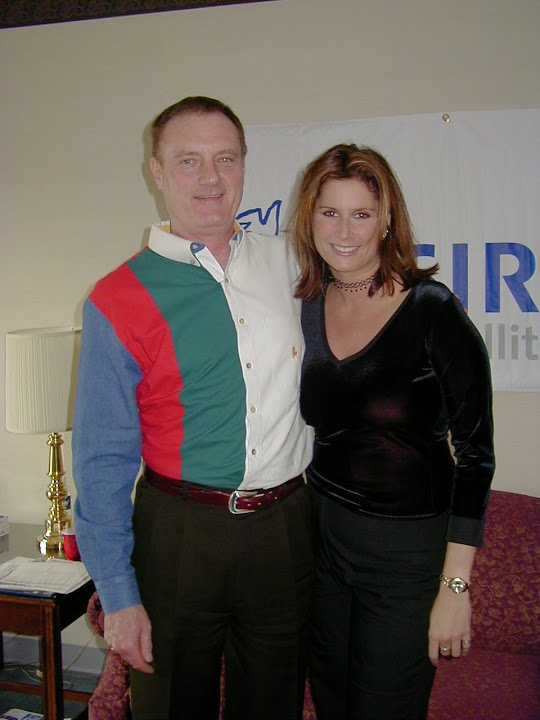
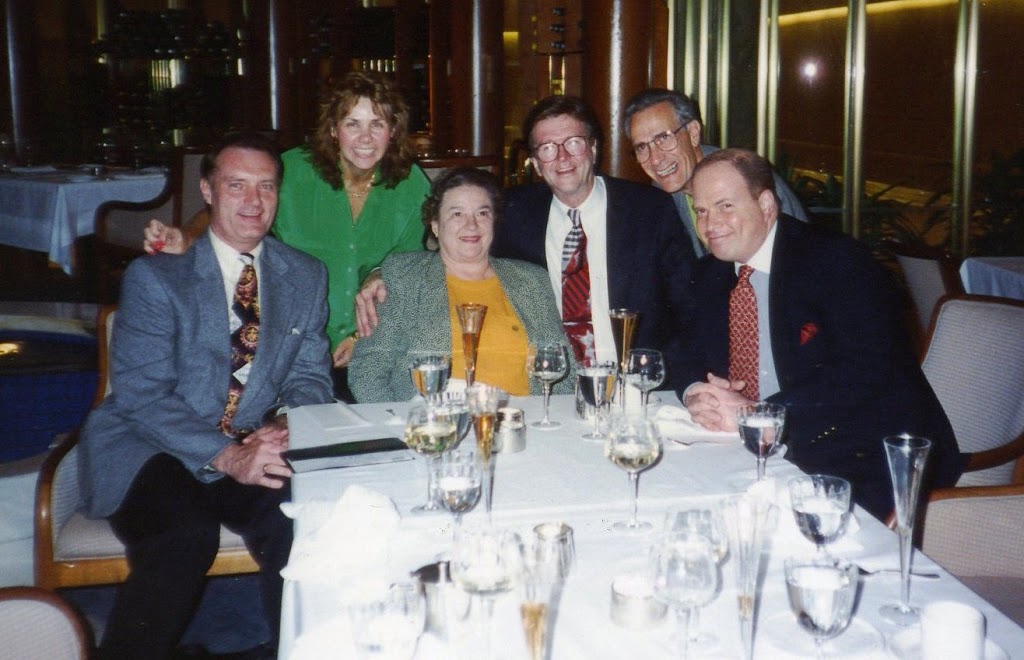
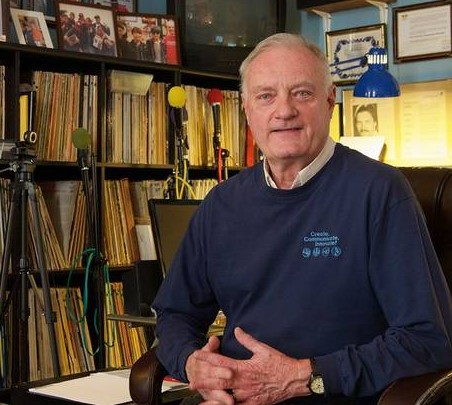 This is what I look like these days.Download Resume
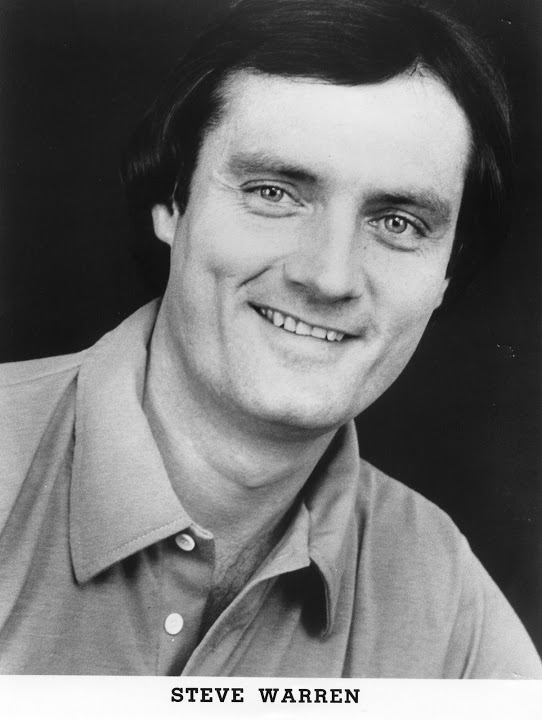
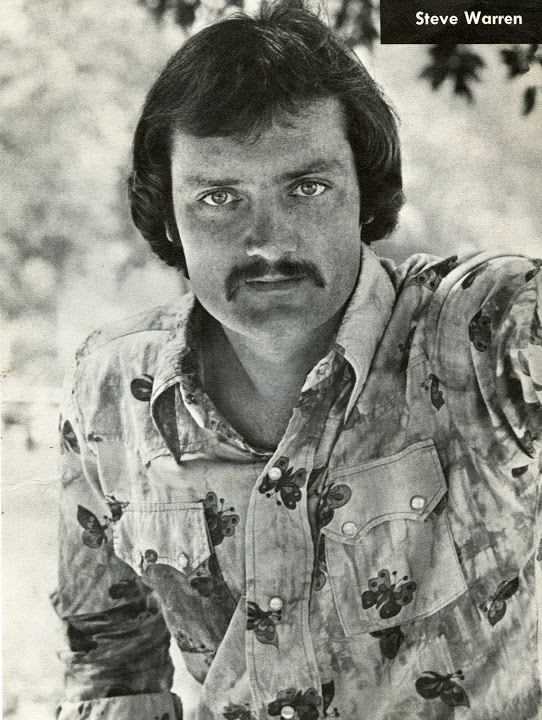
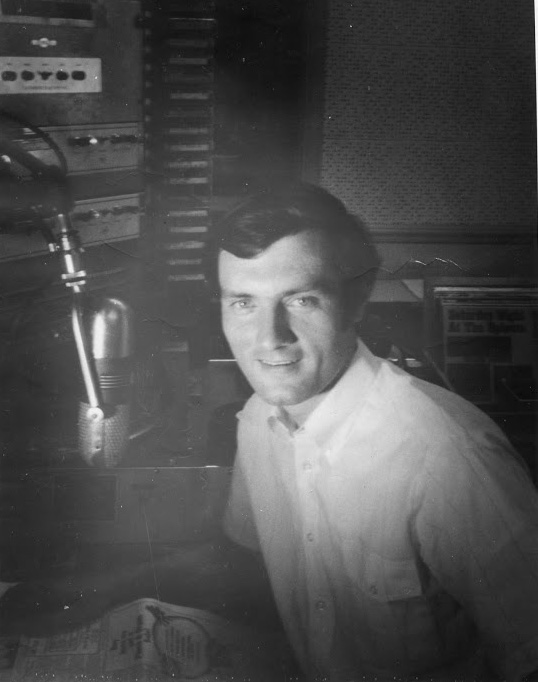
 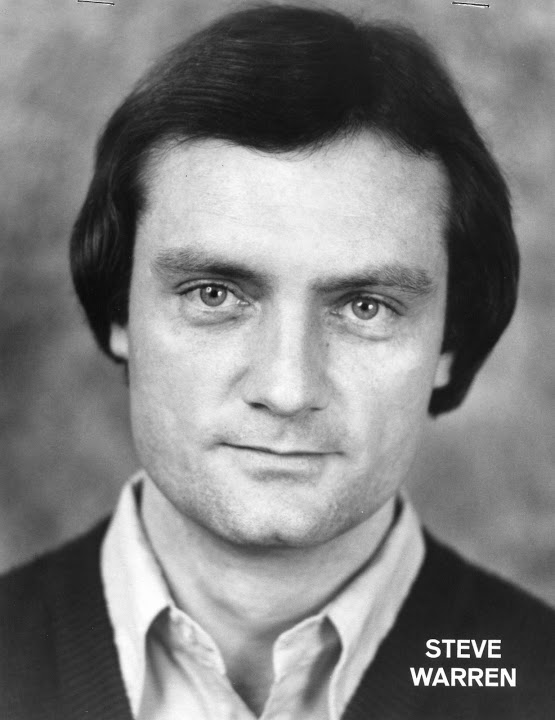 This was my 1980’s matinee idol headshot.
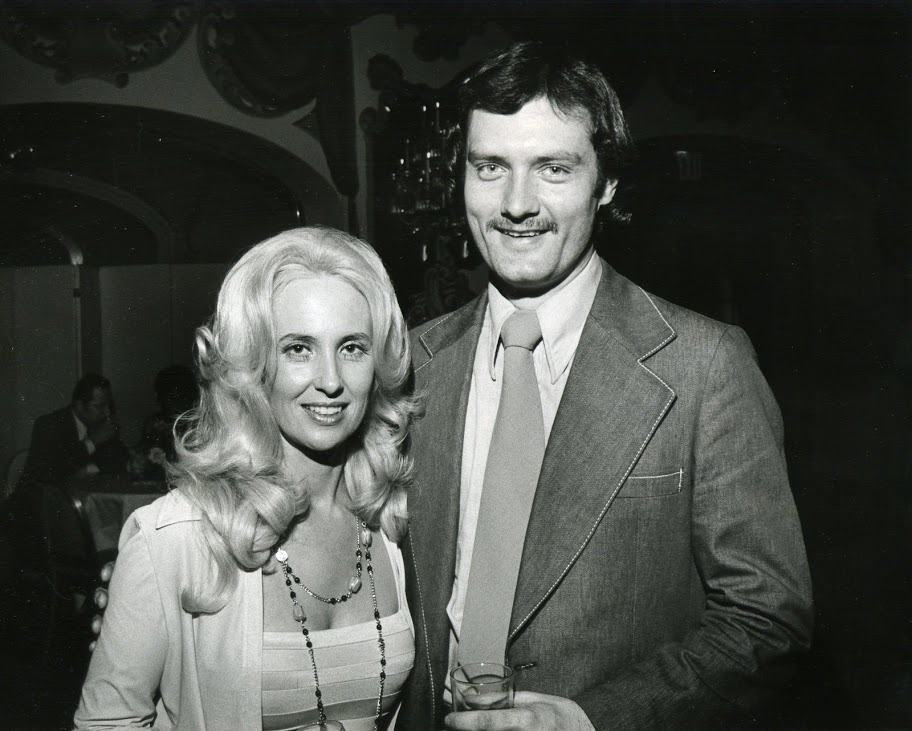
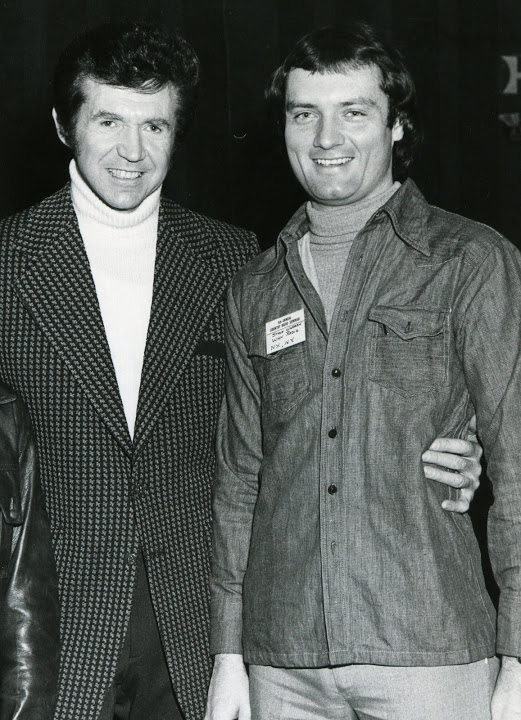
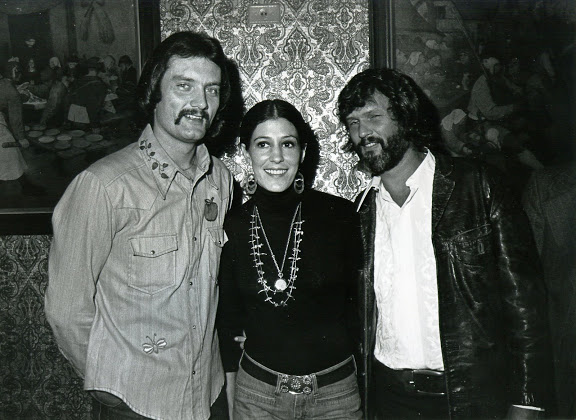
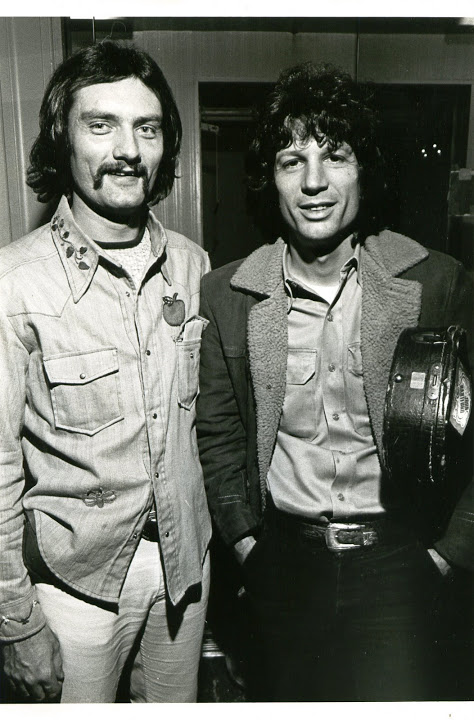
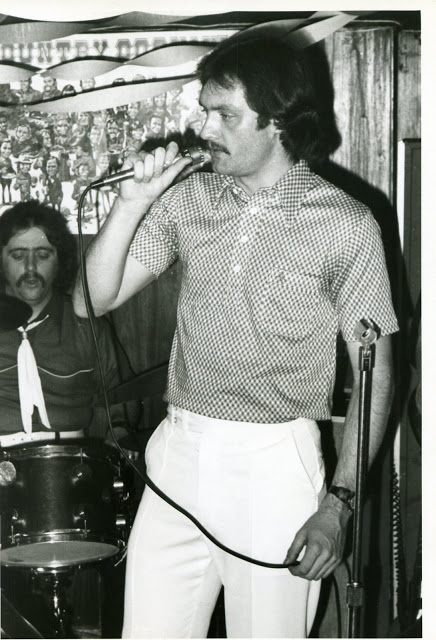 Here I am singing in a New York Country Bar "O’Lunneys" in 1974 when I was at WHN.
Steve Warren Talks About Satellite Radio |
Steve Warren at the NAB Radio Show |
Steve Warren Talks About TV |
Steve Warren Talks About Localism |
Steve Warren Talks About Chinamerica Radio |
|
US To Trade Gold Reserves For Cash Through Cash4Gold.com |
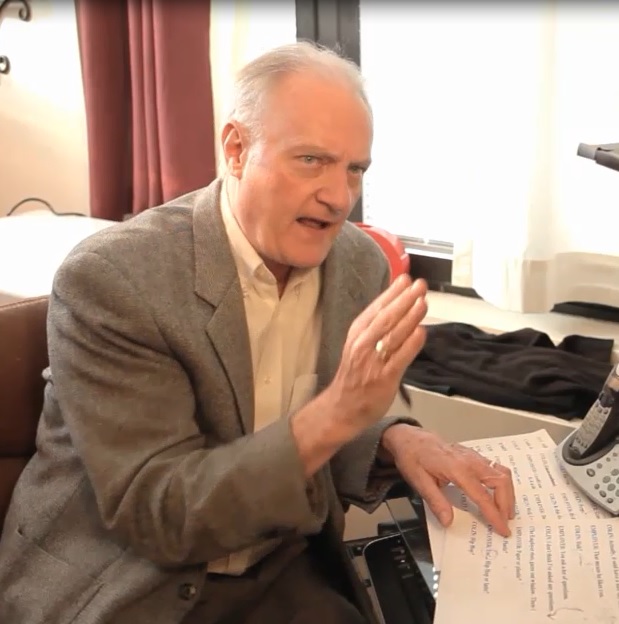 Steve Warren Scene from TV pilot "Temp" with Colin DePaula |
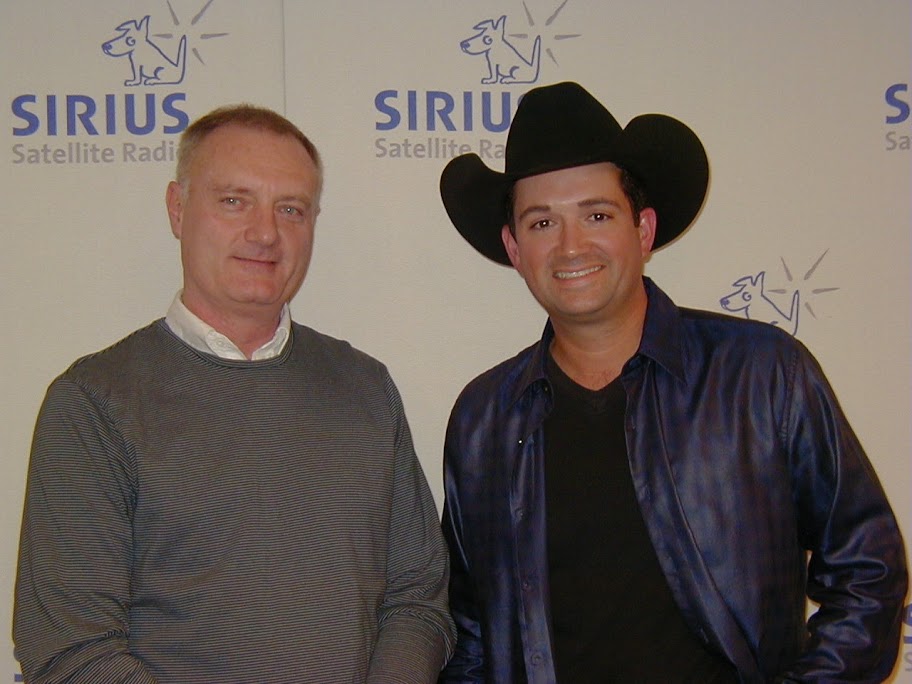
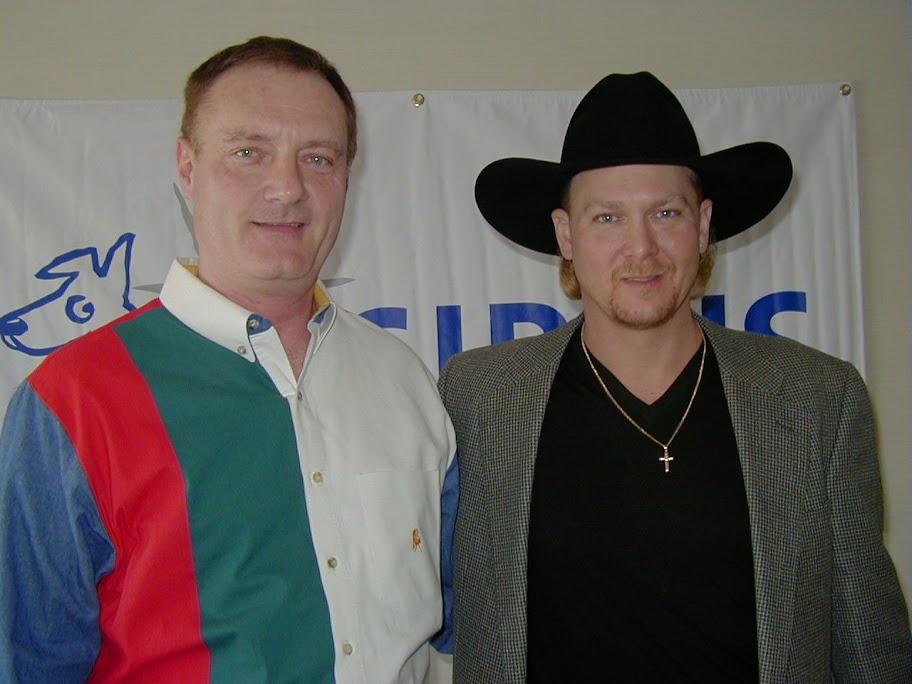
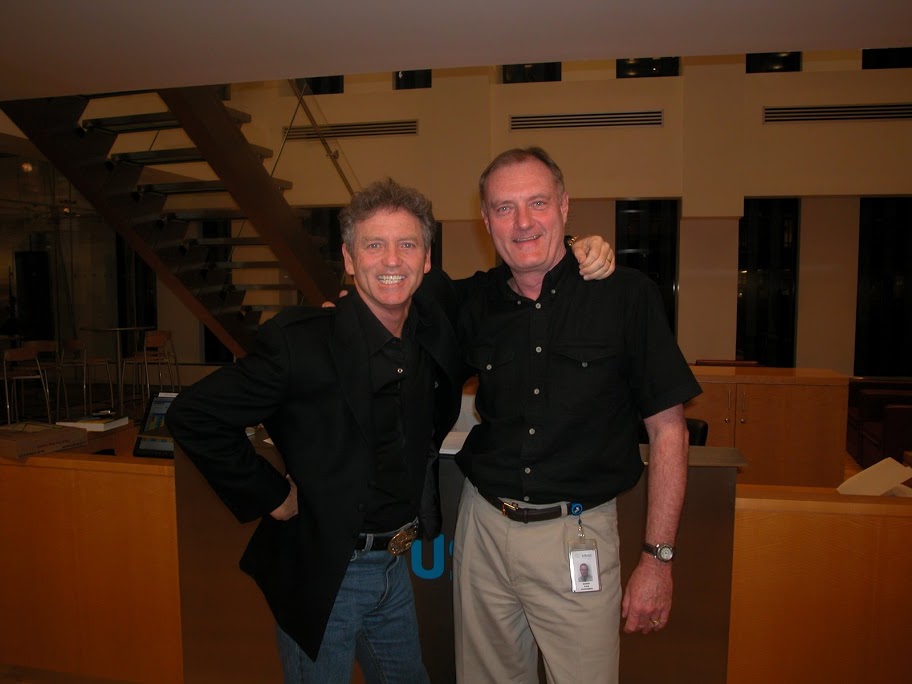
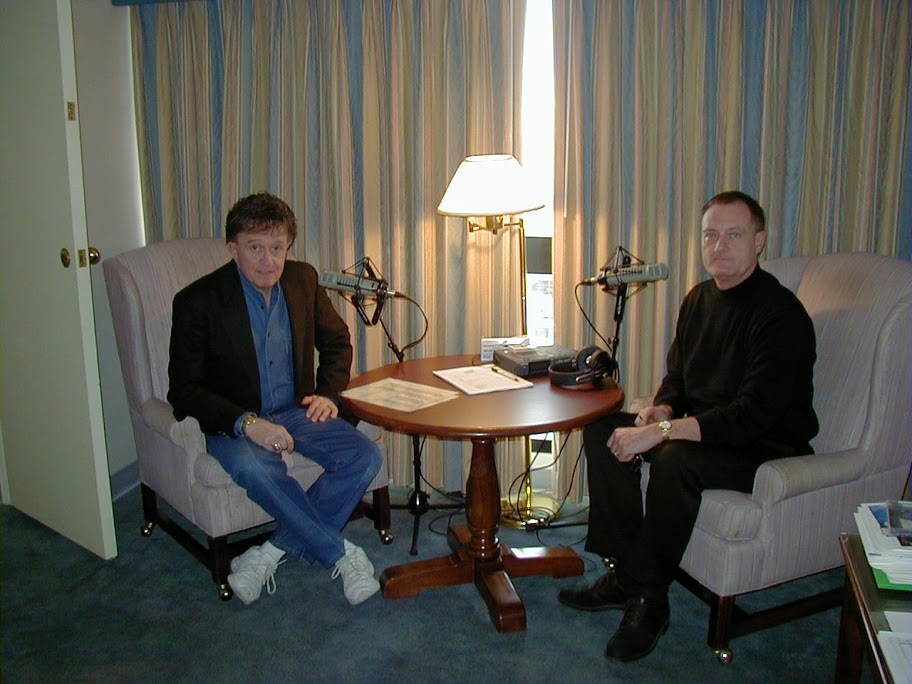
A dominant Louisville Top 40 AM station (1080), WKLO was in a long-time battle against rival WAKY. Upon graduation from High School, I was offered a summer position at WKLO running a storefront prize headquarters on Fourth Street, downtown Louisville, for a promotion called the Summer Fun Festival. On-Air contest winners came to the store to pick up their prizes. Although I did minimal on-air work, I had access to the studios and met many of the announcers and staff.
After the Summer Fun Festival ended at WKLO, I started IU Southeast in the Fall of 1963 and with my WKLO experience and audition tape made at its studios, secured a part time-fill in position with country AM WTMT (620), staffed by several notable country singers as DJ's, including Tommy Downs and Ginger Callahan. This was my initial exposure to being on the air in a Country music format. Since the job was only part time and the school year was ending, I sought more hours by looking a few miles down the road to Harrison country where a new station was being built.
WPDF was a brand new AM station (1550) in Corydon, IN and was owned by Herb and Mary Arms. As new broadcasters, they could afford only inexperienced talent and paid $1.25 per hour (minimum wage). I was attending Indiana University SouthEast and used the summer months to earn college money by working afternoons. WPDF was a daytimer, with longer hours in the summer months. The studios were upstairs over Conad's Music Store on Capitol Square. Corydon was the first capitol of Indiana. The call letters were named after Paul Dean Ford, a consulting engineer and friend of the Arms Family. The station played a mixture of Country and adult pop music. I did an hour at 6 pm of Teen Time, a top 40 countdown. After the summer ended and the hours became shorter, I needed to return to I.U. and was looking for a position back in Louisville, closer to my home in Southern Indiana.
In Louisville, there was a new FM station, WLRS. Named for Louisville Radio School and owned by the Henson family of Louisville (Clarence & Mary), the organization ran a consulting engineering company in addition to the school. The school was (I think) initially a place for radio students to gain experience, but it seemed that soon, the stations eclectic, easy listening format caught on and required some professional talent. One of the announcers I befriended at WLRS was Dale Reeves who was looking for a better job with an AM station, so basically we swapped jobs. He went to WPDF in Corydon and I took his part time position at WLRS, so I'd be closer to school.
It was early 1964, I made a decision to lay out a semester from I.U. and jump-start my career by getting a sought after FCC First Class License. A school in Sarasota, FL was offering a 5 week course to get it. Simultaneously, in nearby Punta Gorda, FL, my Aunt, Lynn Stephens, became General Manager of WCCF (AM 1580). Lynn had worked in radio sales back in Louisville and had similarly decided to come to Florida to work for her former manager at a station he'd purchased. Lynn offered me an opportunity to be Production Director as well as Afternoon announcer for WCCF long enough to bankroll myself to attend the radio school (Radio Engineering Institute). Following me on-air at 6 pm every afternoon was Bill Patty who did a Country Show until sundown/signoff. I stayed and worked with Bill on the show, so it would be my 3rd Country music format opportunity. I worked at WCCF about six months before going to REI in June and getting my FCC License in July 1964. One of the best parts of working at WCCF was being on the air every day, doing many jobs, and being able to listen to the great Top 40 stations from Miami (WQAM) and Tampa-St. Pete (WFLA-WALT-WLCY).
Mission accomplished. With FCC License in hand and another school semester approaching back at IU, I bade farewell to Florida but not before sending my tape and resume to several stations in Indianapolis. I really didn't want to go back to the Louisville area and since Indianapolis was Indiana's largest market and there was a large IU Regional campus there, I could work and go to school simultaneously. I got two nibbles from the material I sent, both advising me to "Call us when you get here." The stations were Adult Standards WIRE (AM 1430) and Country/R&B WGEE ( AM 1500). Upon arrival in Indianapolis, I was offered part time positions at both. WIRE was a legendary NBC affiliate with Septuagenarian, Wally Nehrling as morning host. The P.D. was Doug Zink. WGEE was a daytime that played country music until noon and the n R& B Music in the afternoon, satisfying two missing niche formats in the market. WGEE P.D. Bob Todd needed someone to run Sunday morning tape programs and fill-in a few hours as Country DJ. I accepted both positions for several months before WIRE offered me a full time position doing some fill-in announcer work and as a newsperson. I worked 4 hours a day doing mobile news (around my class schedule) and then 12 hour each on Saturday and Sunday running weekend NBC programs (Monitor), local weekend shows and a few hours as DJ. Although WIRE played adult standards by day, it had a country music overnight show, originally hosted by Country artist Jack Barlow and later by Bernie Walden. Here again, I had another opportunity to work in a Country format.
Curiously, WIRE decided to go into a fulltime Country Format under the guidance of new G.M. Don Nelson and with the programming consultants Bill Hudson Associates. Although I had already worked at 4 stations playing country music. I was terminated by WIRE as not having what it took to be one of its Country personalities.
After leaving WIRE, I managed to put together a piecemeal schedule of various part time or temporary radio jobs including overnight News at Top 40 WIFE (AM 1310), a stint as manager of soon-to change format WAIV (Classical FM 106.7), and stayed on as DJ when WAIV became WTLC (Urban), and ultimately returned to WGEE when the station finally abandoned its Country/R&B formats, collectively gobbled-up by WIRE and WTLC, offering fulltime service of both formats. At this point, I had five solid years in multiple formats and WGEE was offering a new Adult Contemporary format under the guidance of new General Manager Edd Neilson. We worked together very well and it would turn out to be a fortunate alliance. Regrettably, Edd never relocated to Indiana and rather commuted every weekend back to his family in New Jersey. WGEE was owned by Rollins Broadcasting. In 1968, I had visited New York City for the first time at the invitation of someone I had met in Indianapolis. My two-week visit to New York enthralled me enough that I made it a goal to live and work there one day. I'd figure out how to do that, later. Following Edd's departure from WGEE, Rollins offered me an opportunity to go to its station in Wilmington, DE. I accepted the offer and moved east and said a final goodbye to the Indiana chapter of my career. Of course, Delaware was a lot closer to New York than Indiana, so the first obstacle in winding up in New York had taken care of itself, the relocation to the East.
My first time living and working on the east Coast, I was welcomed to the Rollins' Top 40 station WAMS (AM 1380) in Wilmington. Only 30 minutes away from Philadelphia, PA, WAMS did an excellent job of fending off the Top 40 major stations in Philadelphia (WIBG-WFIL). The station was also starting to lose some audience and soon needed a new P.D., so I was elevated to the position, temporarily, in addition to doing my regular afternoon drive show. One of the most notable times I spent at WAMS was doing a "Wakathon". I stayed awake and on the air in the window of "The Drum Shop" music store for 110 hours. My days and nights on the air became a local media event and had school busses and families driving by the store waving their support. My temporary P.D. opportunity ended after about 6 months and I noted that the new P.D. seemed intent on populating the staff with former associates from his prior markets. Fortunately, at about this time, I got a call from former WGEE G.M. Edd Neilson, who was putting together a group of stations in the Northeast and offered me a chance to join them.
Edd Neilson advised me that a company he had joined owned a few stations in New Jersey and were purchasing WKIP (AM 1450) in Poughkeepsie, NY, and he'd be assembling an entire staff to take over all aspects of the station upon closing. The company owned WMVB AM-FM in Vineland-Millville, NJ, so one by one, as the WKIP staff was hired, we camped out and started practicing working together at WMVB. When the sale closed, we all relocated to Poughkeepsie, changed the station format to the "Fun One", which if anything else, the station was. I did afternoons. Edd Neilson AKA Jack Daniels did mornings; Tim Haskell, middays; Richie Allen, nights. Poughkeepsie is 90 miles north of New York City and of course I could hear all the stations there. Clearly, my goal was still to work in New York one day.
Although we had a whole lot of fun on and off the air at WKIP, the market was still small and the pay not that great. I had no intentions of leaving WKIP, but I did seek some opportunities to supplement my income by sending off my audition tape and resume to stations in the New York City market, casting about for something part time on weekends.
My tape landed on the desk of easy listening WPAT (AM 930 & FM 93.) Program Director, Curt Hahn. WPAT was a highly rated station playing "Easy Listening" wall-to-wall music, with very few announcements. It was owned by CapCities Broadcasting and the General Manager was Jim Arcara. Curt had some sporadic part time shifts coming available. WPAT had offices in New York City and studios in Clifton, NJ. WPAT played the music from giant tape reels that were produced in New York and taken by a station courier to Clifton for broadcast. In addition to some part time announcing, Curt asked if I'd be interested in assuming the job of transporting the tapes back and forth for a few months. Even though this was still part-time, the pay was greater than what I could ever make in Poughkeepsie. Conveniently, an actor friend of mine I had also met in Indianpolis was doing a show in Mexico and his apartment was empty for a few months. I left WKIP, and relocated to New York City. Although I never worked full-time at WPAT, I had a long relationship with it as a part timer, both as a music announcer and as a news anchor throughout the 1970's and 1980's. I even played on its softball team for a few years. It was my very first New York City station.I got my AFTRA membership in 1971 through it. I still have membership .
Although I had reasonably steady part time work at WPAT, I still wanted something full-time. I had also submitted my material to CBS Radio. They had a central personnel office and I got a call one day from Joan Showalter, longtime head of personnel at CBS. She had reviewed my resume and wanted to meet me in person. At our meeting she told me that she'd be distributing my information to various departments. A few weeks later, I got a call from Martin Pinsker who indicated they were expanding their sports reporter group and had noticed that I had previous experience in sports and news. He hired me to do some sports reporting but indicated that the start date might not be for another month. A few weeks later, I got a call from the personnel department asking me to come in. When I arrived, they noted that I had already been hired, but that Martin Pinsker had suddenly and unexpectedly passed away without any records of what he wanted me to do. Clearly this was a first in my career. The folks in personnel noted an opening at CBS Radio Network for Associate Director (A.D.). As an A.D., I worked with the News and Sports personalities in timing, producing and recording programs for the network. I stayed at CBS for 2 years working with Walter Cronkite, Win Elliot, Mike Wallace, Douglas Edwards, Pat Summerall, and many other notable CBS personalities. Although I wasn't on the air, it was a great behind-the-scenes learning experience for the network side of broadcasting. I also continued to do an occasional part-time shift for WPAT, when called upon.
In February 1973, a long time Adult Standards station WHN (AM 1050), surprised the market by switching to a Country format. WHN was a huge, 50,000wat station and there had never been a fulltime Country station licensed to in New York City. Country was growing into a huge format, nationally, but the music format had never really caught on with the more urbane New York audience. That said, the owners, Storer Broadcasting, switched the station under G.M. Chuck Renwick and P.D. Ruth Meyer. Hearing about the format switch while I was working at CBS, I was pretty sure that I had probably more Country music experience than any other radio announcer in New York, I immediately sent my materials to Ruth Meyer. She called me in for an interview the following week. Ruth and I hit it off terrifically and truly, the station didn't have anyone on board who knew much about Country. Many on the staff were very resistant to the change. The station was acquiring some country records for the library, mostly being guided by national trade magazine music charts. Because of my background in Country, my on-air experience, but mostly because Ruth and I got along so well, I was hired as Music Director for WHN with the job to assemble the music library and get everything needed to produce a successful Country format day-to-day. I resigned from CBS and notified WPAT that I'd not be available for them anymore, either. In addition to being M.D., I did a few regular weekend air-shifts and filled-in for the other announcers on days-off and vacations. Ruth had previously been P.D. at the legendary WMCA Good Guys Top 40 station and many of the WHN announcers were also hired by Ruth Meyer from WMCA including Dan Daniel, Jack Spector, and Ed Baer. Also on the staff were Del DeMontreux, Lee Arnold, and Stan Martin. I'd consider my time at WHN to be a benchmark in my professional career. Although we never worked together after WHN, Ruth Meyer and I remained great friends until her death in February 2011.
However, for some reason, Storer Broadcasting decided to bring in a different Program Director from their Detroit Station named John Mazer, where he had programmed a country station there. Therefore, Ruth Meyer was replaced. Soon thereafter, many of the people Ruth hired were also replaced as John Mazer populated the air-staff with his personal picks. After working under John Mazer as Music Director for several months, I was replaced by Pam Green, who was my assistant. John didn't actually fire me. He called me in and said, "I'd like to discuss separation." To which I replied, "Why are you going somewhere?" He then said, "No, but I'd like to know how you think I should notify the staff that your position is being replaced." Then, I answered, "Why don't you not tell them and see how long it takes for them to miss me."
I never liked or respected John Mazer. Fortunately, his radio career was brief. I got a few months' severance from WHN, but was pretty bummed at the whole attitude and changeover. The experience at WHN would be a pivotal benchmark for the next decades of my Country music career.
Rather than hit the streets in New York, I needed a break, so I took the money and put my furniture into storage in New York and went to Los Angeles. I had several opportunities to do some voice-over work there and two professional acquaintances offered me part-time work. Chris Collier at KFOX in Long Beach had some Country weekend shifts and Allan Hotlen at KNBR in San Francisco had some summer replacement work. So, I'd do a few weekend shows at KFOX, then fly or drive to KNBR for a week to fill in for one of the full timers when he or she was on vacation. It was hectic, but great to divide my time between San Francisco and Los Angeles. While at KNBR, its FM station KNAI, went to a newly launched all-news format called News and Information Service (NIS), created by Jack Thayer. I also got to do quite a bit of news anchoring at KNAI and learned the format and technology behind the NIS experiment. This would come in handy, soon. The summer vacation scene ended and the work at KNBR dried up. The weekends at KFOX weren't enough to live on and chasing voice-overs was more costly than profitable. I also decided that I really did not like Los Angeles. I had been fortunate that a friend of mine from Indiana, Fred Walton, had an apartment there, but was travelling with a show, leaving his place available for me to live in in his absence throughout my California experience. I missed New York, so I packed up my car (1971 Mazda Rx2), and took a leisurely cross country drive back to NYC, stopping along the way to visit friends in Denver, St. Louis, and Indiana.
Back in New York, I called my old friends at WPAT and put my name back in the hat for part time work, which started almost right away. I also went to NBC Radio where it had implemented the NIS format on WNBC-FM and renamed it WNWS. Having experience at NIS in San Francisco, I got hired by News Director Mike Prelee doing news anchoring for NIS. Coincidentally, Mike was former News Director at WHN when I was there, ergo my connection. After several months of news anchoring, the overnight show on WNBC (660 AM) became open. I had struck up a nice relationship with Program Director Mel Phillips, so he offered me overnights on WNBC. I may have been the only person to go from being a news anchor to being a music personality at NBC Radio. WNBC was a huge station, paid great, and we had an all-star lineup with Don Imus, Joe McCoy, Walt Love, "Cousin" Bruce Morrow, and Dick Summer. This all ended and the entire staff was dismissed by incoming new Program Director Bob Pittman in 1977 when the station hired all new personalities, including Ellie Dylan, Pittman's girlfriend, to take over the morning show from Don Imus. The station was a disaster. Fortunately, NBC had deep pockets and I was paid the remaining 7 months on my contract. Nothing was happening in New York, so I decided to take a little time off to rest and re-think the career plans. I went back to Florida and rented a beach cottage near Punta Gorda/Sarasota. I could hang with my old friends and relatives there for a while.
Boredom set in quickly. I found myself doing part time work at WSPB (AM 1450) in Sarasota for Program Director. Mark Wheeler. He also would have a morning show opening coming up and had been tinkering with the idea to change to host of their evening talk show, Information Sarasota. He was aware that I came from New York and NBC, but also knew that a single WSPB salary would be very low. So, he bundled the two shows together and offered a livable salary if I would do the morning show 6-10am, then double back and do the talk show 6-8pm, every evening. I had nothing better to do and I lived close enough to the station that the commute was OK. I did both. I kept pretty busy, playing music in the morning and hosting interviews every evening. I kept up this pace for over a year. Eventually, Mark was replaced and WSPB offered to let me keep one, but not both, of the shows…at a reduced salary.
I'd been in Florida for over a year at this point and felt it was time to start playing big time radio again. I had started doing some part time work at WFLA in Tampa, so I got acquainted and some exposure in that market. The morning show at WDAE (AM 1250), opened up and P.D. Bill Campbell hired me. I also got an opportunity to fill-in once in a while for "Talk of Tampa Bay", the WDAE evening talk show, so I kept my streak of talk and interview experience going. WDAE was part of Rounsaville Radio, and eventually sold to Taft Broadcasting of Ohio, but I stayed at WDAE for about two years and did very well in the ratings against competitor WFLA. Taft brought in a new General Manager Jim Pidcock and Program Director, Vance Dillard, who, like John Mazer at WHN, wanted to populate the staff with his own people. Vance was a terrible Program Director, in my opinion, and goes on my list as one of only a very few people I've met in my career for whom I carried no respect and who were detrimental to the business.
Florida was a lot of work, very little rewards, and getting old. I wanted to head back north, but nothing much was happening in New York. A friend of Ruth Meyer, Larry Wexler, was G.M. at WPEN (AM 950) in Philadelphia and per her advice, I contacted him. WPEN was a good sounding Adult Standards station. I used to listen to it when I was in Delaware and my P.D. from San Francisco, Allan Hotlen, also used to work there. I was offered 7pm-12 Midnight at WPEN, coming on following market legend Jim Nettleton from 3pm-7pm. Our morning host was another Philly market mainstay, Joe Niagara. I was reasonably content to be in Philadelphia, making regular junkets back to New York now and then. Back in New York, WHN had been faltering (thanks John Mazer) and a new FM Country station was about to be launched by Viacom, challenging WHN's market exclusivity. Seeing an opportunity to return to New York and go up against WHN was compelling. I contacted the station and we ascertained that the station still had a few months before launching, but the company was interested in my being part of it.
Biding my time for a few more months in Philadelphia, allowed me to thin out my possessions, so I'd have the flexibility to get back to New York when the call came…which it eventually did, from WKHK (Kick-FM). I was given 6pm-10pm and it was great to be back on the air doing Country music in New York. The listeners were very responsive and welcoming, remembering me from my days at WHN. Poor old WHN at this time was owned by Mutual and carried Mets baseball, other sports, and a lot of Mutual Network programs. In its spare time it still played some country music. Clearly, the FM dial was the place for music in these days and WKHK did reasonably well, initially. Unfortunately, after too many differences between corporate (Viacom) and local management, G.M. Don Boyles and P.D. Bill Ford, the station was not sounding that good, the bombastic success by other FM country stations in other markets was not happening here, and Viacom was already looking around for a possible replacement format. This was getting crazy. I made a big decision. While at WKHK and reflecting on the Program Directors who'd come and gone…some ineffective, some just plain bad (John Mazer and Vance Dillard), and the constant ebb and flow of talent without regard to ability, only loyalty, my mind was made up. I needed to step in and change things. I decided to become a Program Director. I began casting my nets to various markets while plugging away at WKHK, keeping out of the line-of-fire between corporate and local management's indecision and squabbles.
Legendary 50,000 watt Top 40 station WPTR (AM 1540) in Albany, New York had fallen on hard times, eventually losing long-standing the Top 40 battle in the market to WTRY. As was the case with many AM Top 40 stations, the one that lost the battle usually switched to Country. Such was the case with WPTR, under the guidance of programming consultants Burkhardt-Abrams-Douglas, with Dwight Douglas being immediately responsible. Almost none of the announcers had worked country before and there was no on-site Program Director with any experience. Everything was mandated from B.A.D. The station was owned by Rust Communications. Bill Rust was an engineer who has developed many radio technology applications over the years. His son, Lee, was sort of an unwilling go-between connecting stations to owner. I interviewed several times with Lee and station G.M. Bob Ausfeld. They were skeptical that a NYC announcer with no prior P.D. experience had the qualifications. Eventually, I wore them down and they hired me as P.D. and also as Morning show host. They still insisted on my taking directions from the consultants as their safety net for my inexperience. After about 6 months it became clear that I had the station well handled. Even the consultants were impressed. The agreement with B.A.D. was terminated and the station was mine to program. The other competitor WGNA-FM had a larger audience and had been in the format for several years. The staff came on board with the plan and direction. We out-promoted, out personalitied, and outperformed the competitor at every level. Arbitron responded with our overall increase from 2.8 in 1982 to 5.0 in 1983, beating WGNA. We also blew by AM rocker WTRY, something WPTR hadn't done in many years. Bob Ausfeld left the station and was replaced by David Leonard. David had been working in NYC at an advertising rep firm, Chrystal, but wanted to be a station G.M. So like me, he had to convince the Rusts to hire him given lack of G.M. experience. In a way, this was a good opportunity for both of us to create a new management environment based upon what we each knew what to do, rather than what someone who'd come before us, had done. WPTR became a successful operation within my 2 year tenure. Was it coincidence? Could I do it again? Opportunity would soon play another important role.
As mentioned, David Leonard had worked for Chrystal in NYC. One of his client stations was KKYX (AM 680), a huge 50,000 watt country station in San Antonio, TX owned by Swanson Broadcasting. The station was faltering in a 3 country station market. The KKYX G.M., Bill Rohde, was casting about for a possible P.D. replacement and contacted David Leonard for any referrals. I think David and I both recognized that I had accomplished what I came to do at WPTR, so he suggested that Bill Rohde talk to me about the KKYX opportunity. I flew to San Antonio after several phone interviews, met Bill Rohde and surveyed the station and listened for a few days from my hotel room. Upon returning to Albany and after a few more phone conversations with Bill Rohde, the KKYX P.D. job was mine, sort of. Out of fierce loyalty to the former P.D. Paul Morgan, Rohde wanted to keep him on for a while and let me assist him with hopes of by working together, we'd get more accomplished. The staff didn't know who to follow or listen to although they were very receptive to my ideas and most had also worked for Morgan for many years and probably felt a change would be a good idea. After about 4 months of the "team P.D." concept, I met with Bill Rohde and expressed that it wasn't working out and that I wanted the sole P.D. title and responsibility for programming KKYX. He agreed, and it was done. We revamped the on-air lineup, fixed the music, got extremely aggressive with huge market promotions including the Great Country River Festival that literally took over San Antonio's famous Riverwalk for a 3 day weekend of Country music with top artists performing at a variety of venues, downtown, including the Arneson River Theatre. Another huge event was the Great Country Chili Cookoff that similarly, brought in thousands of fans for a weekend of country music and hundreds of competing chili cooking teams. I was crazy for live broadcasts, so for the first time, KKYX broadcast the Festival and Cookoff live as well as dozens of other events through the year. If the audience couldn't attend, they could listen, a classic radio benefit. The station took a major upward spike in the ratings after about 6 months of my being sole P.D. Bill Rohde was passionate about KKYX and even though we didn't have any sort of ratings incentive package in addition to my salary, he was so pleased at the station growth and r-establishing it competitively once again, he called me into his office and handed me an envelope containing $1000 cash as a way of saying "thanks". After two years of steady growth and a bright future for KKYX, there were some rather mysterious consultants brought in to advise the station by Swanson Broadcasting. This was both confusing to Bill Rohde and me, as well. The ratings were up, the station was making money. What more could Swanson ask for. Ultimately, they were not very successful at hiding the fact that they wanted to divest all their Swanson radio properties, so KKYX (along with its recently acquired, Lite FM, sister station KLLS-FM) were for sale. The consultants, Lee Bayley and Dan DiLoretto were acquired to trim all expenses and bring the staffing and costs down to bare essentials to attract buyers. I was out and soon thereafter, Bill Rohde was out, as were several of the other management members. I had purchased a house in San Antonio and was quite surprised at the turn of events, having dug in for a longer tour-of-duty. Back in Albany, David Leonard had left WPTR and moved on to be G.M. at WING with an Oldies format in Dayton, OH. I called David to tell him the news about KKYX.
David Leonard said to keep in touch, which I did. He too, soon made changes at his new WING (AM 1410) operation, including encountering bad ratings and a very over-priced and under-performing afternoon team. The station was built around morning host, market legend, Steve Kirk, but the rest of the station needed help. David called me in Texas and asked if I'd be interested in coming back north to be P.D. at WING. Good timing. I had shopped around San Antonio, but there was nothing much happening in the radio market. I did try to convince a few stations to consider an Adult Standards format, since there was an abundance of retired military people in San Antonio. I had always loved the Ault Standards music since my days back in Indiana and at pre-country, WIRE. No San Antonio stations were interested, but it was a good try. I started packing up, renting out my house, and moving to Dayton where David Leonard and I were reunited at the dynamic G.M.-P.D. duo. Shortly after my arrival, we dumped the afternoon team, restructured the on-air lineup, and again, got out and promoted and broadcast live anywhere we could. Sure enough, the ratings began to rise gradually, almost immediately following implementation of the changes and increased station visibility. WING was owned by the Williams family who previously operated a station group called Air Trails Broadcasting. They had owned WKLO in Louisville. The corporate letterhead had all the company's station logo across the top, so I had heard of WING, long before I ever got to Dayton and I had fantasized back in Louisville at someday working for some of those other stations. Now I was. And as P.D., no less. Once we got WING back on track, it was mostly a day-to-day operations position. I'd do a daily midday show and take care of the ordinary chores associated with programming. With WING, I had been P.D. at three consecutive stations with excellent ratings results and built up a good deal of professional respect as a take charge, cut-to-the chase, have fun, and win, person. In the fall of 1988, after about a year into my run at WING, I got a call from Joe Ernest, G.M. at KTSA in San Antonio. I was very happy at WING and working with David again, but the challenge had diminished. While at WING, I had inherited a part-timer, Rob Ellis. Rob was good on the air and very good at new-fangled computer music scheduling. I made Rob Music Director and gradually was able to teach Rob many of the day-to-day responsibilities at WING. Having accomplished the station turn-around with David Leonard's appreciation and friendship, I left WING and Rob Ellis became my successor.
KTSA (AM 550) was an AM Top 40 station, doing very badly in the ratings, also with an overpriced, under-performing staff. I had met Joe Ernest when I was job hunting in San Antonio before moving on to Dayton, but at the time there were no opportunities at KTSA. Joe asked me to fly down to San Antonio to meet with him when I had a few days free. Sensing an opportunity, I made the time. Joe was intrigued at the prospects of the Adult Standards format. No one in San Antonio was doing it and a format change would be the appropriate way to re-vamp the air staff and start fresh. This would also be the first time, I'd be able to implement my own format, from scratch, rather than take over an existing format. The correct implementation of an Adult Standards format had been gnawing at me for some time as something I really wanted to do. I returned to San Antonio, moved back into my house and set up shop at KTSA. It took a few months to acquire the music, the other programming elements, and plan the format flip at KTSA, while gradually evaluating the staff as to who would go and who would stay. We rented a small local theatre (stage, not movie), hired musicians, rented tuxes, sent invitations to a few hundred selected San Antonio civic and business leaders as well as some listeners and recreated a real red-carpet, opening night, gala. Thus, the "Great Entertainers" Adult Standards was launched. In the months ahead the station ratings soared, especially with older demographics. We wrapped KTSA around every theatrical or entertainment venue in town. We played Sinatra, Ella, Nat Cole, Steve & Eydie, et al and became the focal point for entertainment in San Antonio. KTSA sponsored monthly tea-dances on Sunday afternoon, with hundreds of couples dressing up to come out and dance to a full orchestra (Jack Mellick Orchestra). Our dances were held at a variety of classy hotel ballrooms and banquet venues around town. Once, we hired, the Moon Maids from Dallas. They were the original backup singers for Vaughn Monroe (Racing with the Moon). They were great ladies, had a full vocal show and had worked with the Mellick Orchestra on many occasions. We turned back the clock at KTSA to a Fred and Ginger world in a market significantly populated by appreciative fans of the era. Not only was KTSA a ratings success, we opened up new advertising opportunities for businesses and services catering to older demographics. If I had to pick a time and a radio station where I'd have been most professionally fulfilled, it would beat KTSA.
There had been a music format of long standing called "Music of Your Life" (MOYL) created by Al Ham. Many stations around the country carried the format, mostly older adult standards and big band favorites for much older demographics. The programming was distributed on large reels of tape, an expensive and time consuming distribution method. I had met Al and his associates on several occasions since we were both servicing music to older listeners and were in general agreement about the artistic value of the older music and its ability to attract audiences. MOYL was about to enter into an agreement with Unistar Radio in Hollywood. Unistar provided live announcers and music formats to be delivered by satellite to radio stations that would then broadcast the formats on their stations locally. This process also allowed the station to have its own local personalities when available and supplement its lineup with service from the satellite. This was a new distribution arrangement and I was being considered as a Program Director candidate to run the MOYL operation in concordance with the MOYL music and personality policies. In order to secure the deal to work with Unistar, MOYL executives entered into a revenue-splitting arrangement, so that any income from stations carrying MOYL would be divided between MOYL and Unistar. MOYL had tapped me to go to Hollywood, do an air shift and be the P.D. to run the operation. I met with them in San Diego and we shook hands on the deal and my start date at Unistar was selected for a few weeks later. I packed everything up in San Antonio and headed west arriving at Unistar studios on the appointed start date.
As it happened, I was met by General Manager, Gary Taylor when I had arrived and told when my air shift would be every day. However, unknown to the MOYL execs, Unistar had tapped one of its own people, a local announcer named Penny (?) to be the P.D. Clearly, this is not what I had come to Hollywood to do. Unistar did give me an air shift and a salary, but the format was terribly managed and Unistar and MOYL were always at odds over a multitude of issues. This wasn’t going to be a long stay.
Don Nelson, my General Manager from WIRE in Indianapolis had managed to work his way up through the ranks of being a highly successful General Manager in a variety of radio markets, especially at country stations. While in Hollywood, I met with Don several times when he was in San Diego at country KSON. Although the negotiation were still hush-hush, there was some speculation that he might be heading east for a new opportunity. I’d had enough of Unistar-MOYL and still had a few consulting clients to keep me busy, so I decided to move back to New York, where at least I knew the territory. I put all my personal items in storage in L.A. and drove cross-country, subletting a small apartment in Long Island City, Queens. I picked up a few part time announcing shifts (once again at old standby WPAT) and a few suburban stations. In 1991, Don Nelson was introduced as the new General Manager of New York country station WYNY. Country had always been a difficult format for New York and Don was brought in to maximize the potential revenue from the market. As almost an after-thought, WYNY-FM co-owned the legendary WNEW-AM, a long-standing Adult Standards station. It too, was in dire financial straits with a salary heavy air staff and little direction. Don’s plan was go in and take care of the Country station which was his field of expertise and he’d bring me in to see what I could do to prop up WNEW. Many of the on air personalities at WNEW had been there for years. Most were spoiled, ego-centric, personalities who failed to realize the sun was setting on their little empire. Countless program directors came and went as the always defiant announcers did whatever they wanted to do, protected by expensive talent contracts. I was brought in as Music Consultant. I also got a regular part-time air shift, so it was good to be back on the air in New York. The station music library was massive and there was no rhyme or reason to the format other than everyone played what he wanted. It was also at this time that the WNEW-WYNY combo was being shared by two sets of owners (similar to the Unistar-MOYL mess) and that neither side wanted to yield any management control so every day was a constant stalemate. In less than a year, Don Nelson left in total disgust and I followed shortly thereafter. I am pleased to report that not long after that, WNEW-AM 1130 was sold to Bloomberg Financial (Mike Bloomberg’s company) and the Adult Standards station died a whimpering death it so richly deserved as the call letters were changed to WBBR. With few exceptions, the air personalities at WNEW also garnered the anonymity they too, richly deserved. I set up shop at another apartment in long Island City and decided to hang out my consulting shingle once again, occasionally working on the air wherever an opportunity came about.
One of the stations where I found a part time opportunity was at classical WNCN. Many markets don’t have any classical radio, but New York had two stations led by the New York Times owned WQXR, its only radio property and the smaller, quirkier WNCN owned by GAF, its only radio property. I enjoyed working there under Program Director, Mario Mazza, but within a year, GAF had sold the station and the new call letters were WAXQ, switching from classical to (very) hard rock. I did have the unusual situation of staying through the changeover, briefly so I’d begun my WNCE experience by playing Brahms, Beethoven, Mozart, Wagner, et al, and ended the experience playing Alice in Chains, Soundgarden, Lenny Kravitz, Smashing Pumpkins, and Arrowsmith.
About the time WNCN was vanishing, I’d been in touch with Chris Kampmeier who’d been the Operations Manager at Unistar in Hollywood. Chris had just been named Program Director at WYNY, the country station (no longer affiliated with WNEW and with new owners, Evergreen Media). Chris felt the station needed a link with New York’s country music radio past and had a few of the previous country personalities on the air, including New York legend "Dandy" Dan Daniel. I pulled out my former New York country credentials (WHN-WKHK) and proposed a Sunday night oldies show featuring country hits from the 60s & 70s. Therefore the Sunday Night Oldies Show was born and I was back on the air in New York and back playing country. I’d become the only New York personality to be on the air of all three New York country stations. It was great talking to the fans again, accepting phone calls every week, and playing the same songs I had played when they were new at WHN and WKHK.
I had also started getting some interest in putting this show on some other stations in other markets, so I started up another version of the show that I recorded at my own small studio and called it The Country Oldies Show, sending weekly tapes to 5, then 10, then 15 or more stations every week.
In February 1996, WYNY gasped its last country breath and the ownership opted to drop the country format and revert to former New York dance station call letters WKTU and go for the Urban-Dance audience. A day-long tribute broadcast on the last day of WYNY had become legendary with all manner of New York country personalities, past and present stopping-by for a final goodbye. Knowing that this day was coming, I’d put out some feelers for programming opportunities in the Northeast, if not in New York City, proper. I’d also been very interested in getting back into the Program Director’s chair somewhere, since I missed the day-to-day activities associated with station operations.
As a programming consultant, in 1991, I attended the NAB Radio Show Conference. At one of the exhibit booths, there were some people from Montreux, Switzerland promoting an international radio symposium to be held in their city the following year. Although I’d travelled to Europe many times, it seemed like a great opportunity to expand my horizons within the European radio community. I marked the dates and the following year attended the first annual Radio Montreux event. Every two years (odd numbered years), Montreux hosted an international Television Symposium. It was decided to do the same for radio on even numbered years. I attended the first Radio Montreux and met many influential broadcasters with whom I’d eventually work as a consultant and would know as international colleagues. I also got wind of the idea that a group was about ready to open a graduate-level broadcasting school in Montreux. The city is magnificently beautiful, situated on the north shore of Lake Geneva in the French-speaking part of Switzerland in the foothills of the Swiss Alps. After several meetings and providing my copious background information, resumes, and letters of reference (including one from Walter Cronkite), I was hired as an adjunct instructor to come to Montreux every year for 2 weeks and teach a course in format radio. I continued this practice every 2 years, even during my regular jobs in the United States. In 2002, the school closed in Montreux, but continued to host technical symposium for several years thereafter, from its headquarters in Ireland.
One of the places I started making inquiries was back in Albany, New York, where I had some previous contacts and market experience. Albany Broadcasting (WYJB, WFLY, WROW) had acquired a small FM Country station, WDCD and was going to roll it into its new broadcast facility in Latham, NY and offer another format choice to compliment the other stations in the group. In light of the previous success and recognition of the WPTR call letters, the company acquired WPTR-FM. The original WPTR-AM, now owned by another company, had changed its call letters and gone to a Christian format.
I rebuilt WDCD into the new WPTR-FM and kept it running under the old owners until Albany Broadcasting could take over, which they did and we moved to the new studios shortly thereafter, become the first station in the group to move to the new place. I met some new talent that I’d keep in touch with over the future years and we did a good job (as a small station) adding listeners to the Albany Broadcasting lineup. I was also handed the title of Operations Manager for WROW-AM, a News Talk station when it moved into the building. During this time, I continued to record and distribute The Country Oldies Show, this time from a basement studio at my house in Cohoes, NY, near Albany.
Throughout my career as a Program Director, Air Personality, and Consultant, I’d been frequently asked to write articles for trade publications, speak on radio conference panels, and otherwise offer suggestions to the industry. Radio Ink had long been the premier magazine for radio management and sales. My former general manager from WHN, Chuck Renwick, had been the National Sales Manager for several years, as well. It had come to the attention of Radio Ink management that the staff was rather inexperienced in actual radio experience, so it was determined to create the position of Radio Editor and bring in someone who could look at the articles, the writers, the contributors , etc. to make sure their offerings would ring true in the industry itself. I’d done what I needed to do at WPTR-FM, change it over to the new owners and get it up and running. I opened a dialogue with Radio Ink’s Publisher Eric Rhoads and Financial Officer, John Montani, as well as Chuck Renwick who was pulling for me on the inside. After a visit to Radio Ink offices in West Palm Beach, FL, I was hired as the new Radio Editor, leaving the frigid upstate New York climate for the sun and sand of Palm Beach. I’m very proud of the body of work I did at Radio Ink and I sincerely believe that I centered the publication squarely on issues that were timely and top-of-mind for the contemporary radio scene. The articles and cover stories ranged from Talk Host Susan Powter, executives David Pearlman, Bob Neil, Steve Hicks, owner Jeff Smulyan, programmer Steve Rivers and a revealing cover story on country programming consultant Jay Albright who underwent gender reassignment and today is Jaye Albright, one of the most respect radio consultants in the industry.
I’d like to say at this point that although I enjoyed the work at Radio Ink…it wasn’t radio. The deadline mentality of having all production elements collected at the same time from a group of disparate sources could get frustrating versus the feel of live radio where everything is done in real time. I can also say that for some reason, perhaps the on-site absence of Eric Rhoads, the Publisher, there didn’t seem to be anyone running the show other than John Montani, who literally made my time a Radio Ink unnecessarily miserable with nit-picking critiques of almost every daily activity and a staunch resistance to anything new or innovative. John had come from a background in the financial world of Sears. After my departure from Radio Ink, I understand that John got into some legal problems with some financial improprieties. I feel a little better although I’ve always felt that an apology from Radio Ink would have been in order. I left Radio Ink after a year and a half, but remained in West Palm Beach as a consultant and produced my Country Oldies Show until spring of 1999.
At radio Ink, I worked with Tom Elmo, who had a good friend, Jim Kressler, in the New York area with whom he’d previously worked. Jim had worked for Music Choice and had accepted a new position with a company proposing to deliver radio programming directly to the consumer from satellites with special satellite radio receivers. The company would be called CD Radio. Jim was looking for someone to help program several country music formats for the new service. Tom knew of my country background and brought up my name. As it turned out, Jim Kressler was a regular country listener to the New York City country stations over the years and readily recognized my name from listening to WHN, WKHK, and WYNY.
I flew to New York to meet Jim and was offered an opportunity to begin building the country channels for CD Radio from its temporary offices at 1180 Sixth Avenue. I flew to NYC almost every month to start building the music library, developing relationships with record companies and artists.
As fate would have it, while in the process of consulting CD Radio, I got a call from an apartment building in New York where I had put my name on a waiting list to get an apartment 6 years prior. To my surprise, an apartment was coming available in August of 1999. The building allowed prospective tenants to take a look at the property and decide within 30 days to accept or decline. I flew to NYC, saw the apartment, accepted it, went back to West Palm Beach, had a yard sale from hell, and packed up for the move back to New York. I drove back with a parallel path as the moving van. The move out date in Florida was delayed a day by a hurricane moving up the east coast and ironically, three days later, the move-in to the New York apartment was also delayed by a day because of the same hurricane being off the coast of New York.
CD radio offered me a full-time position to be its Country Format Manager. Later the company would move to new studios across the street at 1221 Sixth Avenue (where it remains today) and the company also changed its name to Sirius Satellite Radio at a gala name-change kickoff at the Beacon Theatre, featuring a performance by Sting.
Working at Sirius was one of the most rewarding times of my professional life. It was a totally new technology and truly pioneering. Of course, my friends in AM & FM radio were not so supportive and there were many nay-sayers who dismissed the potential of satellite radio. Considering the upheaval and the consolidation that had been going on I conventional radio, I doubt that I would have card to stay in the industry. Real talent and creativity had given way to cookie cutter formats. Technology had automate all or a portion of almost every station.
Being Format Manager of the Country channels at Sirius allowed me to introduce the new media to the Country music industry. I made regular trips to Nashville and set up meetings and demonstration with every major record label and music executive to outline the benefits of satellite radio. Being in Country radio for so long also prepared me to appreciate all types and eras of country music. Sirius had originally made plans for three Country channels (Oldies, New Music and a Mix), but that quickly grew to five channels with the addition of Bluegrass and Alternative. Our Country formats were the first to be completed and fully operational 24/7. Even though all the satellites had not been launched and the company not yet officially in the marketplace, internally and online we were able to stream a test channel. In 2001 at the Consumer Electronics Show in Las Vegas, Sirius had a huge display and kicked off the show with a press conference for the assembled electronics media writers. At that press conference, the attendees, some in cars with satellite radios driving in the desert heard the first pioneering broadcast. I was in the New York Studio and greeted the assembled news people with an announcement from New York, live by satellite. Then I introduced the first song," Things Change" by Tim McGraw, making me the "first" voice ever on Sirius Satellite Radio. It would take another year before the complete constellation of satellites were launched and the company would roll out the product in various large markets. Houston, Denver, Phoenix, and Jackson, MS. Why Jackson? The new CEO, Joe Clayton had previously launched satellite TV in that market and included it for good luck.
We got all the channels up and running. The other Program Directors who were subsequently brought on fleshed-out their formats and Sirius was now offering a full lineup of great music and entertainment. I settled-in to the day-to day operation when one day…everything changed.
There was a major bump in the road in 2004 when an alleged radio consultant Walter Sabo was hired by one of the financial partners at Sirius to critique the formats. His idea was to terminate about 13 program managers who’d been with the company from the beginning and who’d built it all from scratch, and replace them with his hand-picked team of far less experienced personal choices. Mr. Sabo and most of his Program Directory thankfully did not last very long, but long enough to deal a huge blow to the creative process. I left the Country programming position at the whimsy of Mr. Sabo, who to this day has never looked me in the eye and/or spoken to me personally regarding my work or the Country formats.
Living in New York, no longer at Sirius. I decided to concentrate on writing and publishing RADIO: The Book, (Focal Press) now, one of the best-selling books on radio programming. Later, I’d return to Sirius to work for the Martha Stewart channel co-hosting a weekly technology show. The company executed a successful merger with rival satellite company XM Radio and became SiriusXM as it is known today. I’d return to SiriusXM still again in 2010, but we’ll get there, later. As a by-product of RADIO: The Book, I engaged in a very active public speaking tour addressing colleges and universities, advertising agencies, civic and social groups, 20 different State Broadcasting Associations, the NAB, and a few International conferences.
MOR Media International, Inc. my company begun in San Antonio in 1987 maintains an office and studio in Long Island City, New York, from which I produce and host The Country Oldies Show (syndicated nationally since 1994). The show is now distributed by the Envision Radio Network of Cleveland. We’ve also started Chinamerica Hit Radio in 2007 along with Chinese partner, Bo Qiao, as a full-time internet/online station featuring pop music from top Chinese artists, hosted in English, targeting Chinese-American young adult audiences. I also continue to speak at media events and conferences, produce commercials and voice overs. In addition to our 24/7 Chinamerica Hit Radio, we’ve produced a Chinese music channel for a major airline. We got a visa for Bo to live and work in the United States, but he maintains some obligations in Beijing that prevent him from being here full-time, yet. Chinamerica radio sells books and records from our eBay store and have future tentative plans to start a Korean internet version of Hit Radio in the future. Chinamerica Radio is definitely my future and we’ll get back to it, but there was a small detour in 2010 I wanted to share.
Although keeping very busy with Chinamerica Radio, speaking engagements, and the Country Oldies Show, I managed to keep in touch with many friends at SiriusXM. Among them, Joan Chin, with whom I had worked back at Country WYNY. I had orchestrated getting Join to interview with/and join SiriusXM in Talk Programming when I was still there originally. In the fall of 2010, Joan alerted me to the fact that the Howard Stern Show was in need of a substitute News Anchorperson. The existing Anchor, (WINS) veteran Ralph Howard would be undergoing a lung transplant procedure and would initially be on a six-month leave of absence. I was asked to submit some material to Exec. VP Tim Sabean and News Director Brad Driver, both of whom liked my stuff and brought me back to fill-in for Ralph, indefinitely.
In August 2011, I travelled to Beijing, China and spent two weeks with Bo seeing the sites of the city and developing more plans for Chinamerica Hit Radio. I also continued into my second year as News Anchor for the Howard Stern Show in SiriusXM.
This was mostly a full year of rolling out sales and Promotions for Chinamerica Hit Radio. The Country Oldies Show continues into its 18th year, now syndicated by Envision Radio Network. In October of this year, I started my third year as News Anchor for The Howard Stern Show. Although suffering no personal injury or damage from Hurricane Sandy, Chinamerica Hit Radio was off the air for nine excruciating days. We’ll be upgrading our distribution method in December and not be at the whim of Verizon DSL. I was also nominated as a candidate for the Country Radio Hall of Fame, but was not selected for induction…this year.
That stint lasted nine months and when Ralph did return, he didn’t work every day, so we worked split weeks for another 6 months. Ralph finally retired in 2013. I filled-in for several more weeks until Mike Hambrick was hired full time. I am still there part-time, as needed for vacations, sick-days, and fill-ins. My primary focus these days has been the various activities of growing the listener base and selling ads for Chinamerica Radio which is now a full-engaged radio station and extremely active in social, civic, and cultural activities throughout the New York Chinese communities. In April of 2013 I made my second trip to Beijing.
The year started strong with more advertisers coming on-board with Chinamerica Radio. We have our own T-Shirts, carry bags, and remote broadcast gear. We have a big red tent and the Chinamerica Radio logo banner. This year I was unable to make my annual trip to China. However, Bo came to New York for several weeks in October. I am delighted to announce that we were married on October 21, so now we are partners in Chinamerica radio and life, although it might be a year or two before he can be here permanently. We welcomed EVA Airways from Taiwan and Allstate Insurance as new advertisers for Chinamerica Radio. Envision Radio changed the agency from which they get the advertising for The Country Oldies Show, so unfortunately the revenue for our weekly show dropped rather dramatically in 2014. In December, my friend of many years, Jim Williams passed away in Indianapolis. Jim and I first met when he was a teacher in Indiana in 1963. He was also the Editor of RADIO: The Book, fixing all the grammatical and punctuation errors.
In early February, I was summoned to Indianapolis since my friend Jim Williams named me as personal representative of his estate. So, I spent a week in Indiana sorting out all his affairs, arranging a house sale and dealing with multiple issues throughout most of the year. At the close of 2015, Jim’s estate had yet to be closed, so much of those unfinished responsibilities carried over to the following year. As for radio, we printed a whole new batch of advertising and promotional material for Chinamerica Radio. It’s now been several years since we first put the station in the marketplace for radio ads. Experts say it takes 5-7 years for new businesses to become profitable. If so, then we are getting close. At least the advertisers we’ve been courting for several years recognize that we’re still here, very visible in the community, and apparently here to stay. We received the ACE Community Service Award from the Chinatown Business Improvement District for our work on the annual Asian Pacific American Heritage Celebration, so it’s always nice to receive some recognition. I believe that this will also develop more credibility and confidence in us in the eyes of advertisers. In the meantime, the commercial ad revenue for The Country Oldies Show has improved over 2014 and we continue to promote the show and add new affiliates. I also was invited to speak at two sessions of the Michigan Association of Broadcasters annual MichMAB conference in Lansing. It’s my third time working with MAB. We also attended the NGLCC National Conference in Ft. Lauderdale in August where I had an opportunity to meet with a variety of corporate Diversity officers regarding consideration for advertising with Chinamerica Radio. During 2015, our studio served triple-duty, functioning not only as the HQ for Chinamerica Radio and The Country Oldies Show, but also on nights and weekends, talented opera singer Alejandro Salvia used our studio space for rehearsing and teaching. At any given time you could enter our MOR Media studio and hear either Mandarin & Cantonese pop songs, classic Country, or Verdi & Rossini.
I must admit that these two years passed very quickly. The regular weekly Country Oldies Show recording session for Envision Networks became routine. Yet, the show continues to have followers over many years and Envision continues to provide advertising inside the show for which we split the revenues.
Chinamerica Radio has become a media sponsor for the Small Business EXPO circuit and we traveled to Boston, Philadelphia, Washington DC, and here in NYC at the Javits Center and Brooklyn. Great networking events and a chance to make some new business relationships as well as tell people about Chinamerica Radio. We have assembled a very nice set of promotional materials and booth decorations to make our presence at these EXPOs attractive and compelling. Chinamerica Radio also became a media sponsor for the National Gay & Lesbian Chamber of Commerce, reaching out to members of the AAPI/LGBT Business community.
Most of my social time during these years are spent attending or participating in Chinese themed events and celebrations. We are on the planning committee for the annual Asian Pacific American Heritage Month celebration in May, held for the past few years on Mott Street in Chinatown, NYC. Throughout the year, multiple events at Confucius Institute for Business at SUNY, The Museum of Chinese in America, China Institute, Asia Society, Annual Hong Kong Dragon Boat Races among others keeping a vigorous schedule of media events and activities.
In March 2018, I traveled to Taipei, Taiwan on EVA Airways, a long-time sponsor on Chinamerica Radio, and met with some folks from the Mandarin music scene. I also met up with Ethan Tsai, who has been an enormous help working for Chinamerica Radio at events, career fairs, and other events in the New York area. He is from Taiwan originally and now working as a flight attendant for United Airlines flying out of Newark, NJ. He happened to be with his family in Taipei visiting and we were able to attend the Taipei annual Sports show at the Taipei World Trade Center, located near the base of Taipei 101 skyscraper.
Following several days in Taiwan, I flew over to Guangzhou, China. After nine years of immigration patience and protocol, on March 8th Bo Qiao finally had an interview appointment at the U.S. Consulate there to qualify for his status as U.S. Permanent Resident (Green Card). I met him there, we spent a few days in Guangzhou (where neither of us had been before.) Following our all-too-short visit, he headed back to Beijing by rail and I flew back to Taipei.
In addition to the aforementioned Small Business EXPOs every year, our travels in 2016-2018 included the NGLCC National Conference held in August Palm Desert, CA; Las Vegas; and Philadelphia, respectively.
On November 20, Bo returned to New York where we shared Thanksgiving Dinner (his first) at the Court Square Diner, a long-time eatery in Long Island City and where my office and our Country Oldies Show and Chinamerica Radio studio had been located for 18 years. Bo returned to Beijing in November after seeing all the sights of the NYC post-Thanksgiving holiday decorations and festivities. The year ended quietly. 2019 would be another story.
The year started with the usual lineup of events to be covered by Chinamerica Radio, including BroadwayCon, the annual homage to Broadway shows, and the people who love them. Then the New York Times Travel Show held its annual tribute to the world of travel at the Javits Center. In February, Chinese New Year kicked off a series of events and celebrations throughout the city, including the always terrific Hong Kong Trade associations party at the Harvard Club. On February 20, NGLCC-NY hosted its monthly M-3 gathering, this time at Slate and co-hosted by Chinamerica Radio with a Chinese New Year theme, menu, and decorations. In March, the Wine EXPO and Restaurant Show cohabitated at the Javits Center. April took Chinamerica to the Small Business EXPO where we set up our booth in Philadelphia at the Loew’s Hotel on Market Street. Later in April, I hopped down to Washington DC for the monthly Certification Committee (of which I have been a member since 2018) meeting for NGLCC.
May 1 found the Chinamerica Radio traveling show in Boston for another Small Business EXPO and again May 9 in Washington, DC. Another EXPO was on June 5, closer to home at the Javits Center and concluding the month at the same venue for the Fancy Food Show.
Keeping our eyes on news from China, an unusual outbreak of a previously unknown virus was being reported in the city of Wuhan. At the same time, we were notified that the building housing our office and studio had been sold with the new owners vowing to remodel the building and offer the tenants new leases. More later.
My July 22 birthday was celebrated with friends Joan Chin and Al Skop from SiriusXM and Chaoke XU at the enormous Olive Garden in Times Square. More ominous news from Wuhan and the offer of a new lease for our studio at double the previous rent doubled the concern on both fronts. Opting to not renew the lease, I made preparations to relocate, but not before heading to Tampa FL for the annual NGLCC Business Conference and using the opportunity to visit old friends Jacques VanDerHorst and Violet Jean Sidebottom from my previous days living and working on the Gulf Coast in the 60s & 70s.
On August 20, we moved everything out of the studio in L.I.C. and set up temporary operations in Manhattan, signing out and turning in the keys on August 31.
September 22-24 included a quick trip to New Albany, IN where I was inducted into the New Albany High School Hall of Fame at a luncheon on Sunday, September 22. The following day, Monday, I was the guest speaker for several classes of the Theatre Department and radio station WNAS-FM, both of which were my NAHS keen interests and in which I was a very active participant.
Moving to October, the highlight was a fun Zoom interview with Louise Mandrell for The Country Oldies Show. November was another trip to DC for Certification Committee and dinner with long-time friend Bernard Mungin, followed by the arrival of another long-time friend Salomon Soza from San Antonio, TX for Thanksgiving week. I capped off 2019 with the annual holiday party at Al Skop’s house in Somerville, NJ, and a quiet Christmas and New Year at home.
It is now the ominous year 2020, the Chinese Year of the Rat, and appropriately so. On January 23, 2020, the central government of China imposed a lockdown in Wuhan and other cities in Hubei Province to quarantine the center of an outbreak of COVID-19.
The COVID-19 pandemic reached the municipality of Beijing, China on January 20, 2020, and a similar lockdown was imposed to protect the capital.
I want to back up a moment here. Although Bo and I were in Guangzhou for his interview in March 2018, we received word several months later that his application was approved and the actual document (the Green Card) would ve arriving soon, it never came. For 6 months our attorney and I wrote an abundance of certified letters to immigrations offices and authorities who played any role in the process. Seem the actual card came to NYC but was returned by the post office for some unknown reasons. Bo cannot travel back to the USA without it. It finally arrived in late 2019 at the NYC address. But with Beijing locked down, Bo cannot travel here and I cannot travel there. I am advised not to trust any delivery or postal service during these times, so his Green Card remains securely locked here in NYC until I can take it to him in person. The political stalemate between the USA and China adds another layer to complicate travel.
The usual events took place in NYC as scheduled including the BroadwayCon, the Travel Show, Chinese New Year, Hong Kong party, etc. But as the annual IBS Beauty show and Restaurant Show were setting up at the Javits Center, they were canceled. COVID had struck NYC and did not have any accurate information from the Trump administration, Local authorities cautiously began closing stores, restaurants, theatres, and all venues where the virus could be spread. It would be a very grim Spring.
As the weather warmed, NYC took the creative approach to permit restaurants to construct and open outdoor dining spaces with a virtual mask mandate on all other venues. For the remainder of the year, all our Small Business EXPOs were canceled as were all the NGLCC-NY monthly and NGLCC National events including the annual conference scheduled for Las Vegas in August. Chinamerica Radio and The Country Oldies Show continued in operation from alternate locations including a small recording operation at my apartment. For the remainder of the year, my datebook and calendar are almost blank. The monthly NGLCC Certification Committee resumed via Zoom and remains so. The Small Business EXPOs were all canceled and also went virtual. Christmas was quiet, at home a few friends and residents of our building stopped by using all advised safety precautions. Some hope is on the horizon as multiple vaccines to thwart Covid 19 are on the way with higher hopes for 2021.
Throughout most of my life, I have enjoyed good health, mostly a product of eating properly, playing a modest amount of sports, I’ve never smoked, etc. Although, during the past year I had been experiencing some discomfort at night and losing sleep. I visited my regular Primary Care doctor and was referred to some specialists to address some coughing and intestinal discomfort. On January 20, I had a prostate biopsy performed and it came back as prostate cancer on January 25. I was introduced to 2 Oncology experts, one for surgery and one for radiation. I was put on a medication called androgen deprivation therapy (ADT) which is a hormone treatment designed to weaken the cancer cells. I opted for radiation therapy as the curative, so a few months after beginning the ADT, I hiked up to Mt. Sinai West hospital 5 days a week for 28 sessions of about 20 minutes each. This was at the height of the COVID lockdown in New York, so there wasn’t much going on, I could continue working from home, and otherwise, my health was pretty good.
After the 28 radiation treatments, I got a certificate from the hospital and got to ring a bell in the hospital lobby signifying I had completed the radiation treatments. All this ended in June of 2021. No one in my circle of friends knew about the diagnosis and treatment and because the city was eerily quiet, personal contact with friends and professional acquaintances was minimal. I kept Chinamerica Radio on the air 24/7 and never missed a Country Oldies Show recording session.
I stayed on the ADT for another year to continue suppressing any residual cancer cells and in February 2022, those treatments were terminated. I’ve been back to the Oncologist every ninety days for routine blood tests to check for any signs of the cancer presence….and thus far, all clean and clear a year later.
Because of the COVID lockdown in New York, most of my routine activities with Chinamerica Radio were canceled or conducted virtually using Zoom. I managed to host a few friends for dinner at the apartment and enjoyed a few lunches with Sirius colleague Joan Chin. Many of my friends from Sirius-XM had also begun working from home, so Manhattan was virtually a ghost town. When warmer weather prevailed in the early summer, more people were going out, and shops and restaurants were re-opening. In terms of activities, this was most likely to be the most uneventful year in memory and was probably an ideal time to address the health issues with minimal impact.
In September, I got a day’s work shooting on the “Billions” series and in September the Javits Center re-opened hosting the annual Franchise Expo. In October the Small Business EXPOs resumed in person with the first being in Philadelphia, then Brooklyn, then Manhattan, then Boston, and so our Chinamerica Radio booth was back in action once again.
In November, I took my first plane trip in almost 3 years, this time to Louisville and a visit to New Albany and the Public Library there to which I had donated some historical items belonging to my great-grandfather who was a talented wood engraver. I also had an opportunity to speak to a few Theatre classes at New Albany High School.
The annual NGLCC Conference (usually in August) had been canceled entirely in 2020, but resumed in 2021 in Hollywood, FL, and pushed to November. Thus, my second plane trip of the year. The resumption of the Small Business EXPOs, the visit to New Albany, and the NGLCC event were exciting reminders about how much of a people-person I am and how important personal interaction is to success. The curtain rang down on 2021 with a highly controlled Times Square celebration I enjoyed on TV.
Chinamerica Radio
PO Box 695 Radio City Station
New York, NY 10019
 steve@mormedia.biz
 Office/Studio: (718) 729-1962
Mobile/Txt: (917) 405-7575
 Facebook